The short answer
Coffee is fast, familiar and usually more intense. Matcha is slower, smoother and more ritual-led. Neither is objectively better. The right choice depends on what you want from your cup: a sharp, immediate hit, or something steadier that you can build a calmer part of the day around.
The biggest difference starts with what you are actually drinking. Coffee is an infusion: hot water pulls flavour and caffeine out of roasted, ground beans, and the grounds are thrown away. Matcha is powdered green tea. You whisk the whole leaf into water and drink all of it, which gives it a different flavour, texture and caffeine experience.
How the energy feels
Many people describe coffee as quick to arrive and quick to leave. Matcha is often described as gentler and more even. One reason people give is that matcha naturally contains both caffeine and L-theanine, an amino acid found in tea leaves. That pairing is part of why tea can feel different to coffee, and we explore it further in our piece on L-theanine in matcha.
That does not make matcha a magic fix. How any caffeinated drink feels depends on the serving, what you have eaten, how you slept and your own tolerance. If you are sensitive to caffeine, neither drink is automatically right for you, so start small and pay attention to how you feel.
Taste and texture
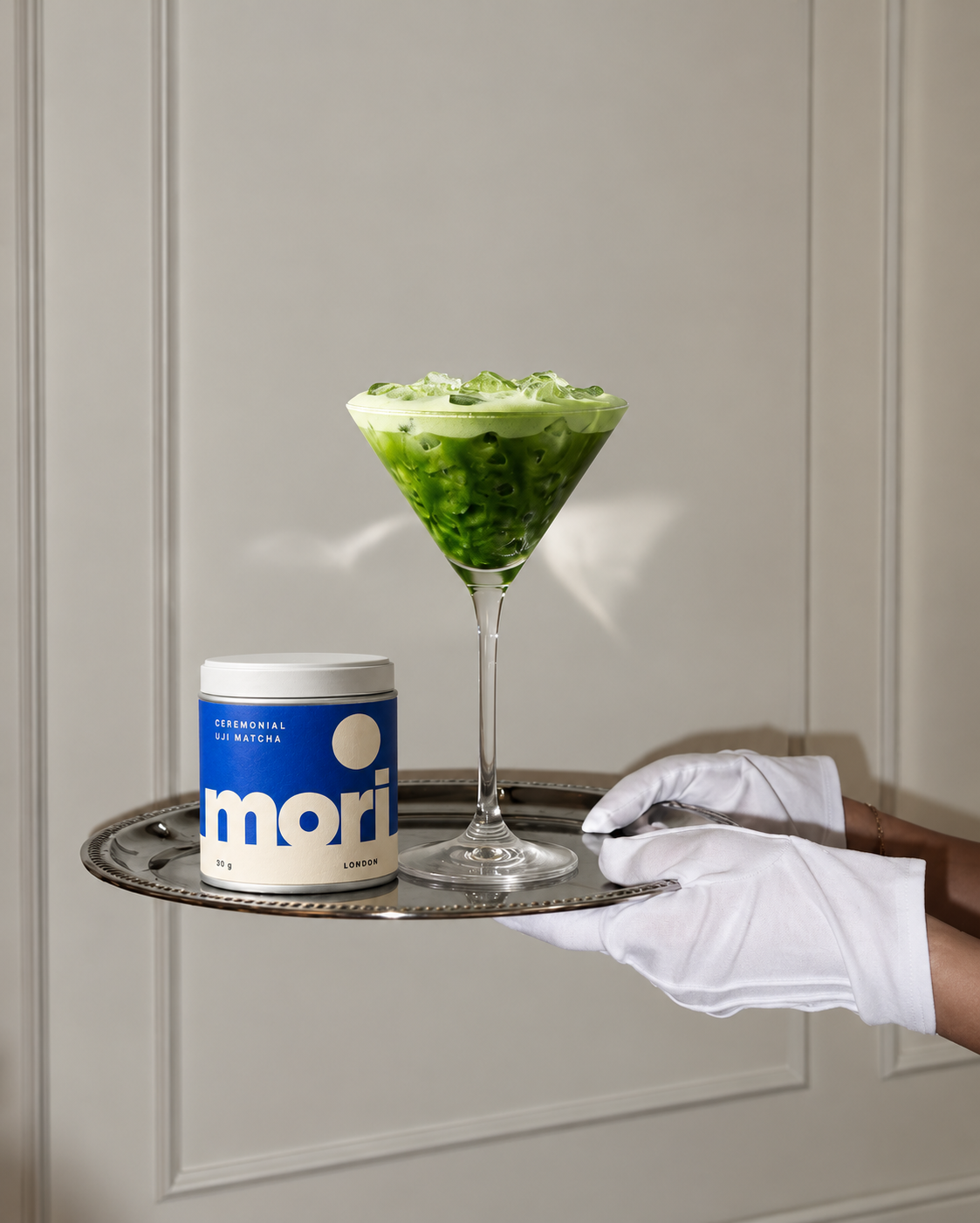
Coffee leans roasted, bitter and aromatic, with body that changes depending on the bean and brew method. Good ceremonial-grade matcha tastes completely different: vivid, grassy and gently sweet, with a rounded umami finish and very little bitterness when it is made with warm rather than boiling water.
Texture is a surprise for a lot of first-time drinkers. Because matcha is suspended rather than dissolved, a well-whisked cup has a soft, velvety feel and a light foam on top. It also carries milk beautifully, which is why the matcha latte has become a café staple.
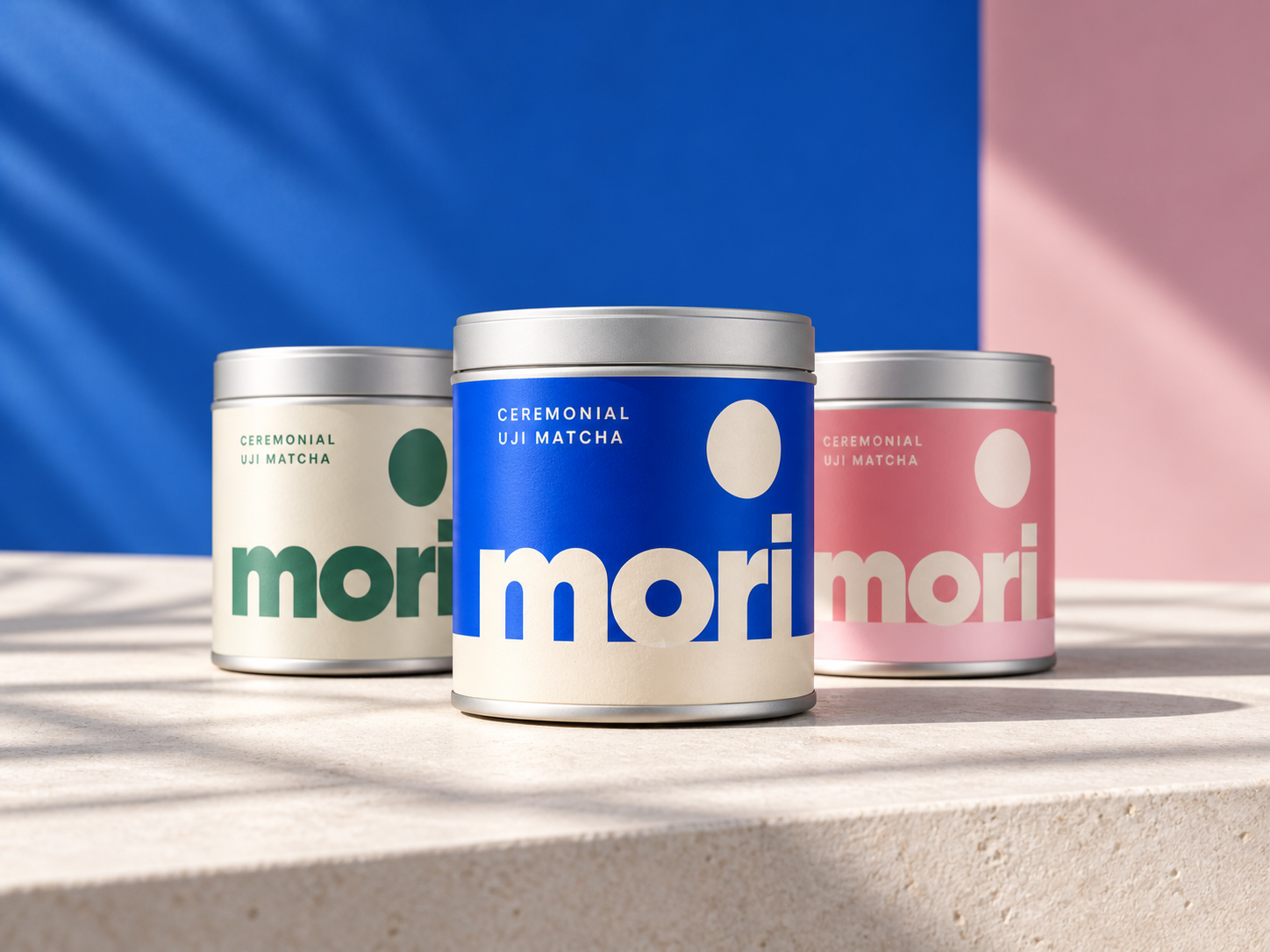
Quality matters more with matcha than most people expect. A dull, dusty powder tastes flat and harsh, which is why so many people think they dislike matcha when they have only tried a low grade. Mori Matcha is 100% ceremonial-grade matcha from a family farm in Uji, shade-grown and finely milled in Japan, with nothing added.
The ritual
Coffee can be as simple as pressing a button. Matcha asks for a little more intention, though not much: sift 1–2g of powder, add a splash of warm water, whisk until smooth and lightly foamy, then top with more water or milk. The whole thing takes about two minutes.
That extra minute is part of the appeal. A lot of people find the whisking becomes a small pause in the day rather than a chore. A bamboo matcha whisk gives the smoothest result, although a handheld frother works if you are just getting started.
Which one should you choose?
There is no universal winner. Coffee suits people who love a bold, roasted taste and want maximum convenience. Matcha suits people who want a different caffeine ritual, a softer flavour profile, or a drink that works equally well with water, oat milk or ice.
- Choose coffee if you love espresso-style intensity and want the quickest possible cup
- Choose matcha if coffee feels too sharp, or you want a slower, more considered ritual
- Keep both if you enjoy each for different moments of the day
If coffee sometimes leaves you feeling wired, matcha is worth a fair trial. Swap one coffee for matcha at the same time of day for a week and compare. If you love the punch of espresso, matcha may simply become your second cup rather than a replacement.
How to make the swap easier
Start with the drink that feels most familiar. For most coffee drinkers, that is a matcha latte rather than matcha with water. Our guide to making a matcha latte at home covers the method step by step.
If your coffee usually happens away from home, at your desk or on a commute, Single-Serve Matcha keeps the ritual portable, with individually sealed servings of the same ceremonial Uji matcha.
Good to know
Frequently asked questions
Does matcha have less caffeine than coffee?
Usually, yes per serving, but it depends on how much powder or coffee you use. Matcha still contains caffeine, so treat it as a caffeinated drink.
Can matcha replace my morning coffee?
For many people it can, especially as a latte. The easiest test is to swap one coffee for matcha for a few mornings and compare how you feel.
Why does matcha taste bitter to some people?
Usually the water is too hot or the powder is low grade. Warm rather than boiling water and a ceremonial-grade matcha make a big difference. Read more in why matcha tastes bitter.
Do I need special equipment to make matcha?
A bamboo whisk gives the best texture, but a handheld frother or a small shaker also works when you are starting out.