What L-theanine is
L-theanine is an amino acid found naturally in tea leaves. Matcha contains it because matcha is made from whole, finely milled green tea leaves rather than an infusion.
It is also part of what gives good matcha its character. L-theanine contributes to the rounded, savoury umami note that sets high-quality matcha apart from flatter, more bitter powders.
Why shade-growing matters
Matcha plants are shaded in the weeks before harvest. Growers do this to shape the leaf, and shade-grown leaves are associated with a deeper green colour and a sweeter, more rounded taste.
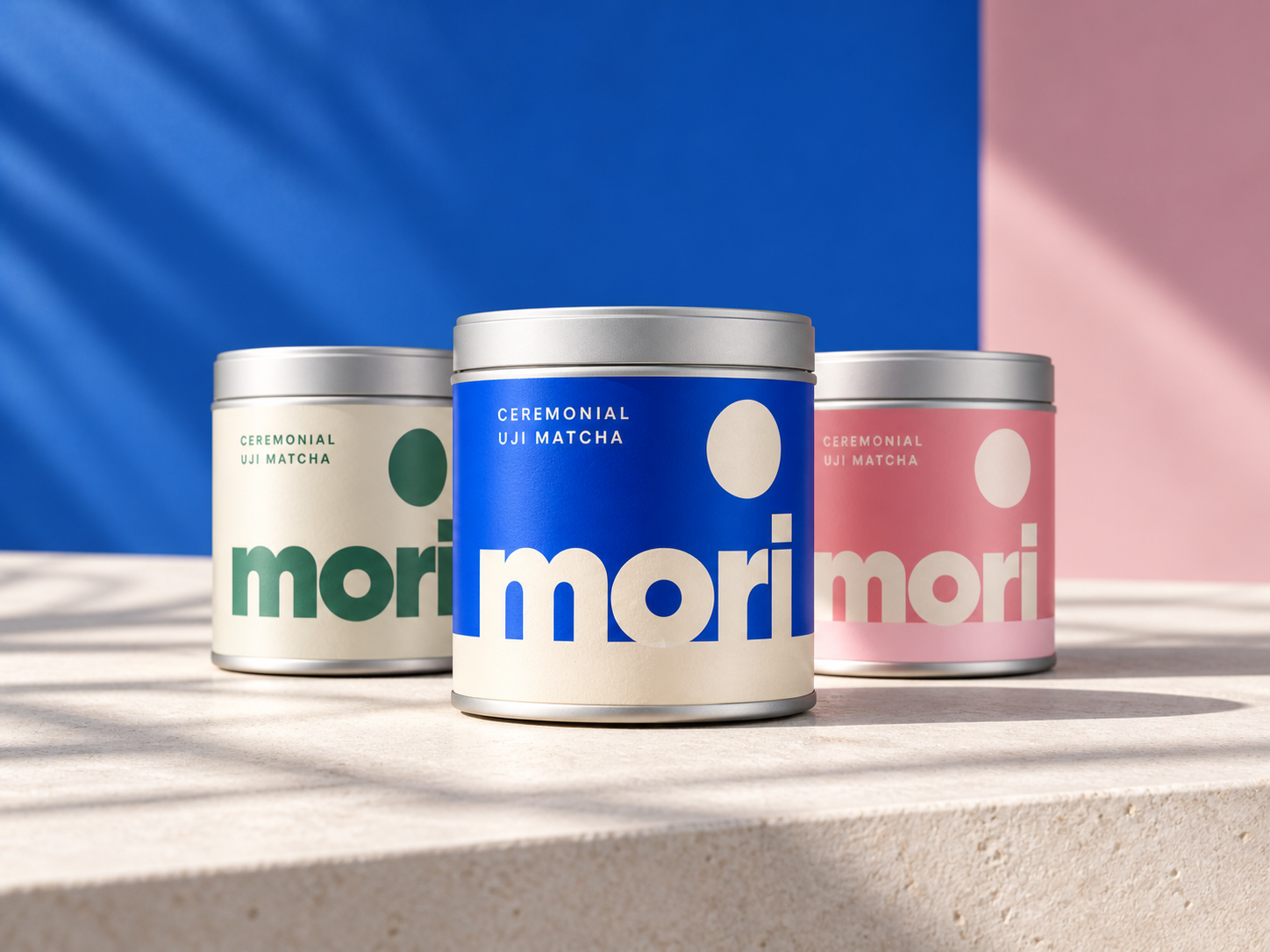
That is one reason origin and care matter. Mori Matcha is made from shade-grown leaves from a family farm in Uji, carefully harvested and finely milled in Japan.
Why matcha is associated with calm focus
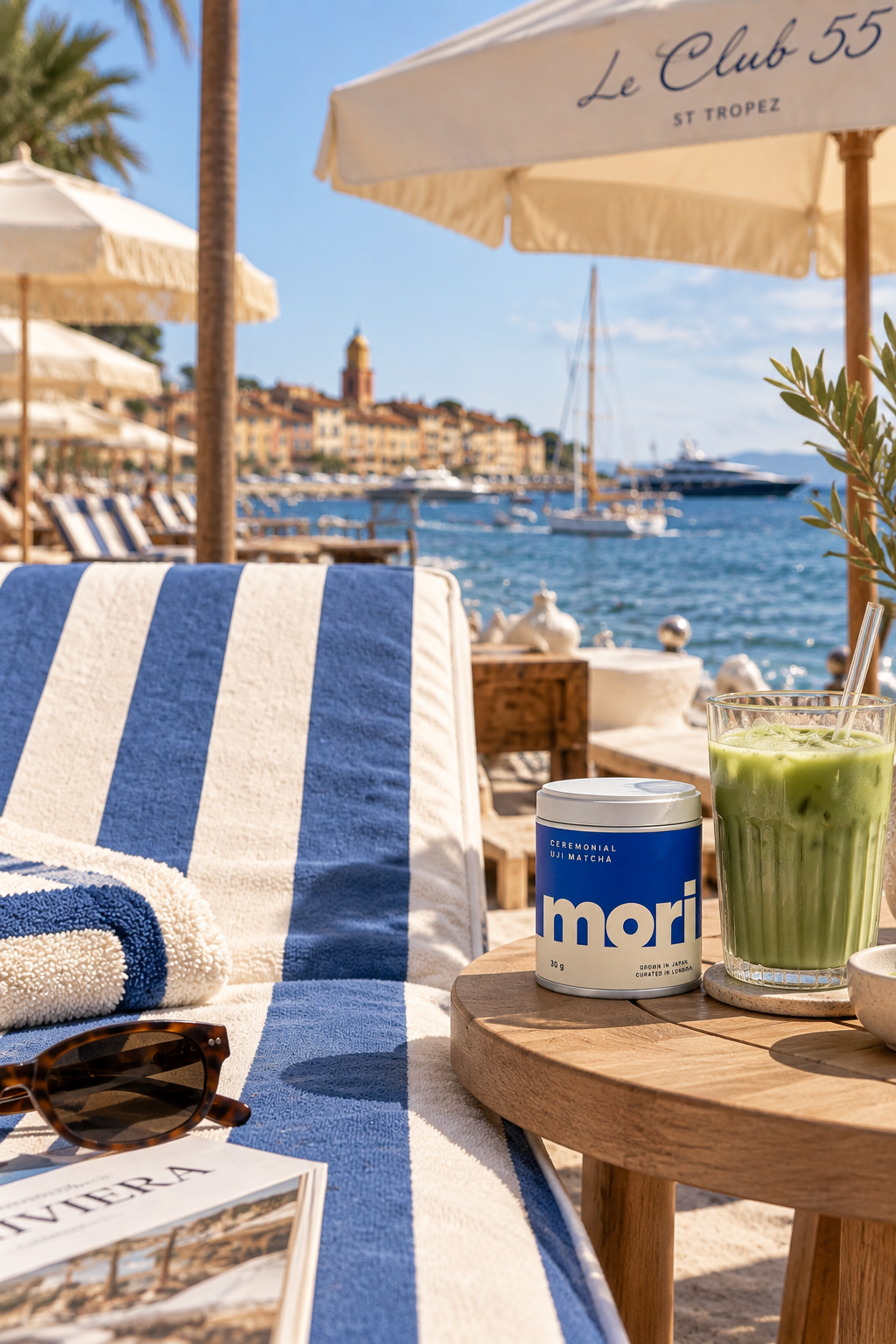
Matcha naturally contains both caffeine and L-theanine. Many people find that pairing gives a steadier, less edgy feel than coffee, which is why matcha is so often described as a drink for calm focus.
It is worth keeping expectations realistic. Sleep, food, stress, caffeine tolerance and serving size all shape how any caffeinated drink feels. Matcha is not a productivity hack; it is a drink that many people simply find sits more comfortably in their day. For more on the coffee comparison, read matcha for focus without the coffee edge.
The role of quality
Higher-quality matcha tends to taste smoother, which makes the whole experience feel calmer. If a powder is bitter and dusty, people often over-sweeten it or drown it in milk, and the drink becomes something quite different.
Good ceremonial-grade matcha should be pleasant with water first, then easy to turn into a latte if that is how you prefer it. Our guide to ceremonial-grade matcha explains what to look for.
How to try it properly
Make one serving of 1–2g with warm, not boiling, water, and whisk until smooth and lightly foamy. Drink it at a normal pace rather than as a shot. If you are comparing it with coffee, have it at the same time of day for a few days so the comparison is fair.
Making it by hand is part of the experience. A bamboo matcha whisk and a couple of quiet minutes can become a small reset in a busy day.
Matcha, coffee and the whole leaf
Coffee is brewed from roasted beans and does not contain L-theanine. Steeped green tea contains some, but the leaves are removed after brewing. Matcha is different again: because the leaf is milled into powder and whisked into water, you drink the whole thing.
That is part of why matcha has its own distinct character, in flavour as well as feel. It is also why quality and serving size matter. Too much powder makes a heavy, bitter cup; too little makes a thin one. Start with 1–2g and adjust from there, as we explain in how much matcha to use per serving.
A few realistic expectations
It helps to think of matcha as a better daily habit rather than a quick fix. The experience people describe as calm focus usually comes from a combination of things: a considered two-minute ritual, a drink that tastes good, and caffeine that many people find sits more gently than coffee.
If matcha does not feel noticeably different for you, that is fine too. Plenty of people choose it simply because they love the taste and the routine.
Taking the ritual with you
Focus often matters most away from home: at a desk, before a session or in the middle of a long afternoon. Single-Serve Matcha packs individually sealed servings of the same ceremonial Uji matcha for exactly those moments. Shake it with cold water or milk and you are set.
The goal is not to chase an effect. It is to find a daily drink that feels good, tastes good and fits the day you already have.
Good to know
Frequently asked questions
Does L-theanine cancel out caffeine?
No. Matcha still contains caffeine. L-theanine is one part of why tea can feel different to coffee.
Is L-theanine only found in matcha?
No. It is found in tea generally, but matcha is a popular source because you consume the whole powdered leaf.
Does better matcha contain more L-theanine?
Shade-growing and careful processing are associated with the rounded, umami character L-theanine contributes, which is one reason quality matcha tastes smoother.
When is the best time to drink matcha for focus?
Many people prefer the morning or early afternoon. Keep it earlier if caffeine affects your sleep.