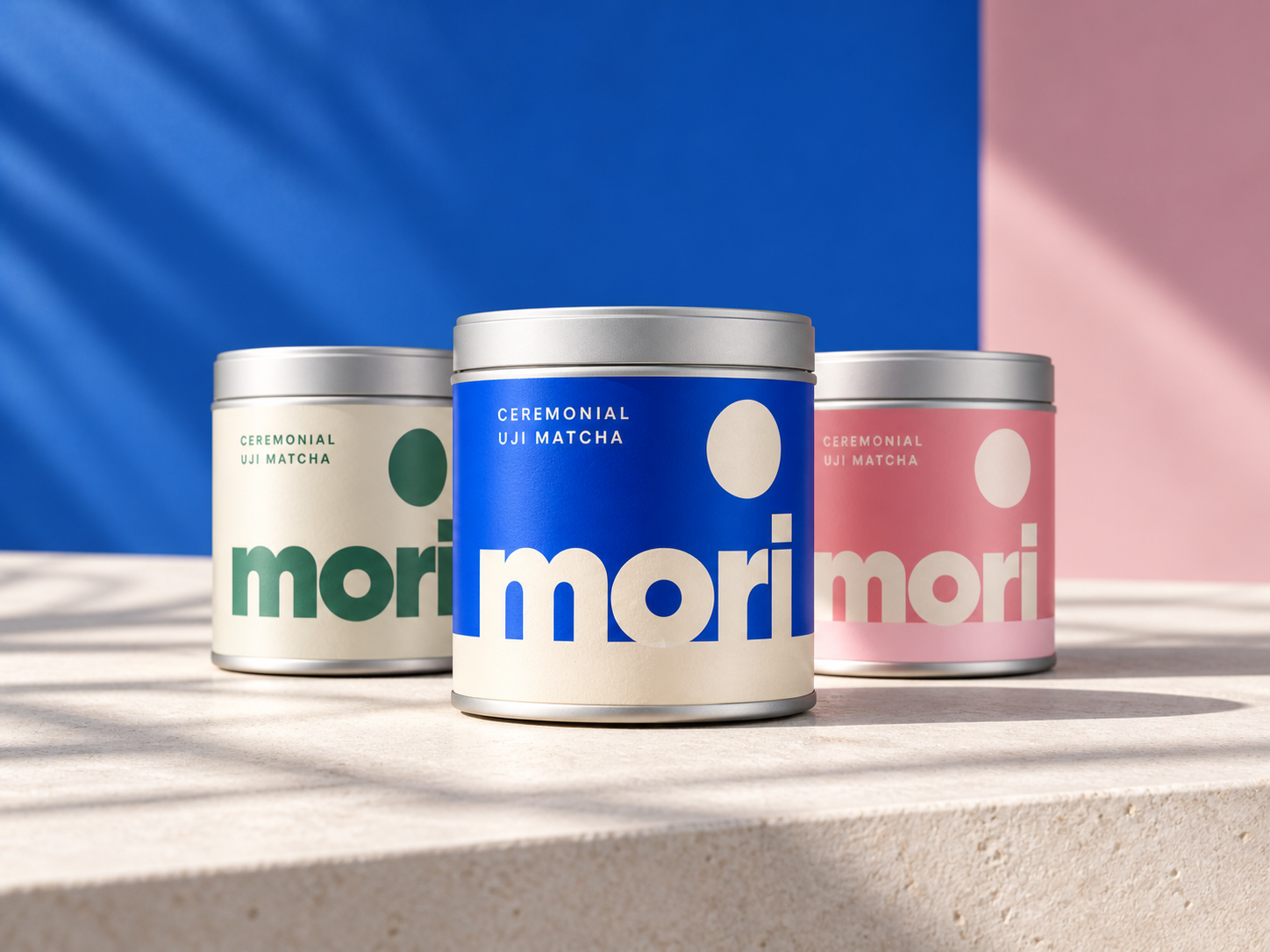
Good matcha should not taste harsh
Matcha has a naturally vegetal, slightly earthy character, and a gentle bitterness can be part of that. What it should not be is sharp, dusty or unpleasant enough to need lots of sugar. If your cup tastes that way, something in the process is usually the cause, and most of the fixes are simple.
It may be the water
Boiling water is the first suspect. Matcha prefers warm water rather than boiling, and around 80C is a good target for a smoother cup.
If you have been making matcha like instant coffee, change this first. Let the kettle stand for a few minutes before pouring. Our guide to the best water temperature for matcha explains why it makes such a difference.
It may be the grade
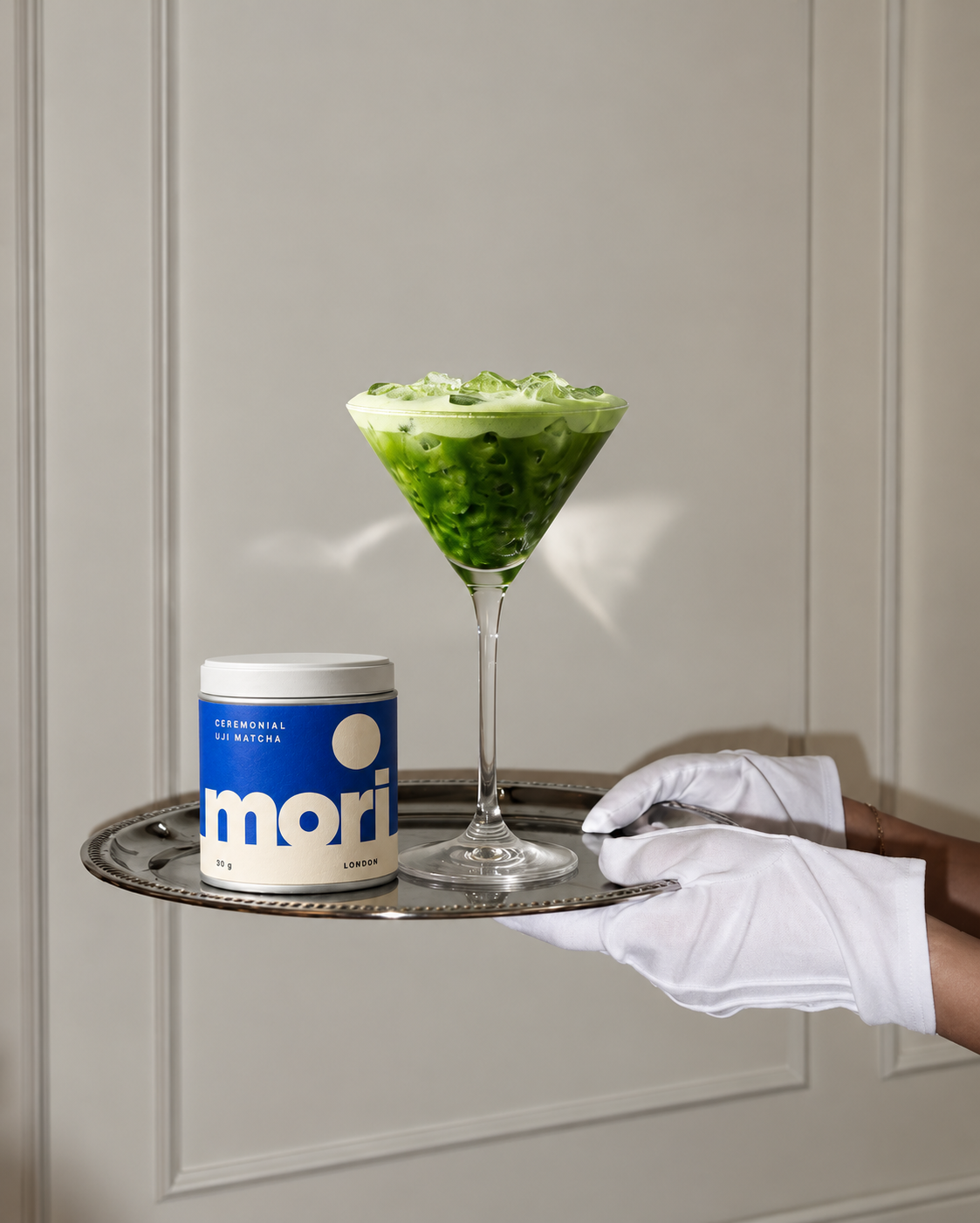
Culinary-grade matcha is designed for baking and recipes, where other ingredients carry the flavour. In a simple drink, it often tastes noticeably more bitter. Ceremonial-grade matcha is intended to be whisked and drunk, so it is usually smoother and better suited to water or lattes.
Colour is a useful clue. Vivid green powder is a better sign than dull olive or yellowish powder, although taste is always the final test.
It may be too much powder
A heaped teaspoon can be a lot. Because you consume the whole powdered leaf, small changes in the amount make a big difference to strength and bitterness.
Start with 1–2g, about ½–1 level teaspoon, and adjust from there. If you are new to matcha, begin at the lower end. Our serving size guide covers how to tune it for water, hot lattes and iced drinks.
It may not be mixed properly
Clumps of dry powder burst on your tongue and taste intensely bitter. Sifting before you add water and whisking into a small splash first solves most of this.
A bamboo matcha whisk moved in a quick zigzag gives a smooth, lightly foamy result. A handheld frother is a good alternative for lattes.
It may be stale
Matcha does not like light, heat, air or moisture. Once opened, keep the tin sealed and store it somewhere cool and dry, away from the kettle and hob.
If the aroma has faded and the colour has dulled, the drink will probably taste flatter and more bitter. Buying an amount you will use while it is fresh helps. A tin of Mori Matcha holds approximately 30 servings, which suits a daily routine.
A quick checklist
- Warm water, not boiling
- Ceremonial grade for drinking
- A level scoop, not a heaped one
- Sift, then whisk into a small splash first
- Keep the tin sealed, cool and dry
Change one thing at a time and taste as you go. Most bitter matcha becomes smooth matcha with one or two of these adjustments.
Try it straight before you judge it
The best way to understand your matcha is to taste it with water alone. Whisk a level serving into a splash of warm water, top up a little, and sip. Good ceremonial matcha should taste smooth, grassy and gently sweet, with only a soft bitterness at the edges.
If it tastes good this way, any bitterness in your latte is coming from the method. If it tastes harsh even when made carefully, the powder itself is the issue. Our guide to ceremonial grade matcha explains what to look for.
Good to know
Frequently asked questions
Is matcha meant to be bitter?
It can have a gentle, earthy bitterness, but good matcha should not taste harsh or dusty.
Can milk hide bitter matcha?
It can soften it, but better powder and the right water temperature will improve the drink more.
Does sweetener fix bitter matcha?
A little can round out a latte, but if you need a lot, look at the water, grade and serving size first.
How do I know if my matcha is stale?
Stale matcha usually looks dull, smells faint and tastes flatter or more bitter than when it was fresh.