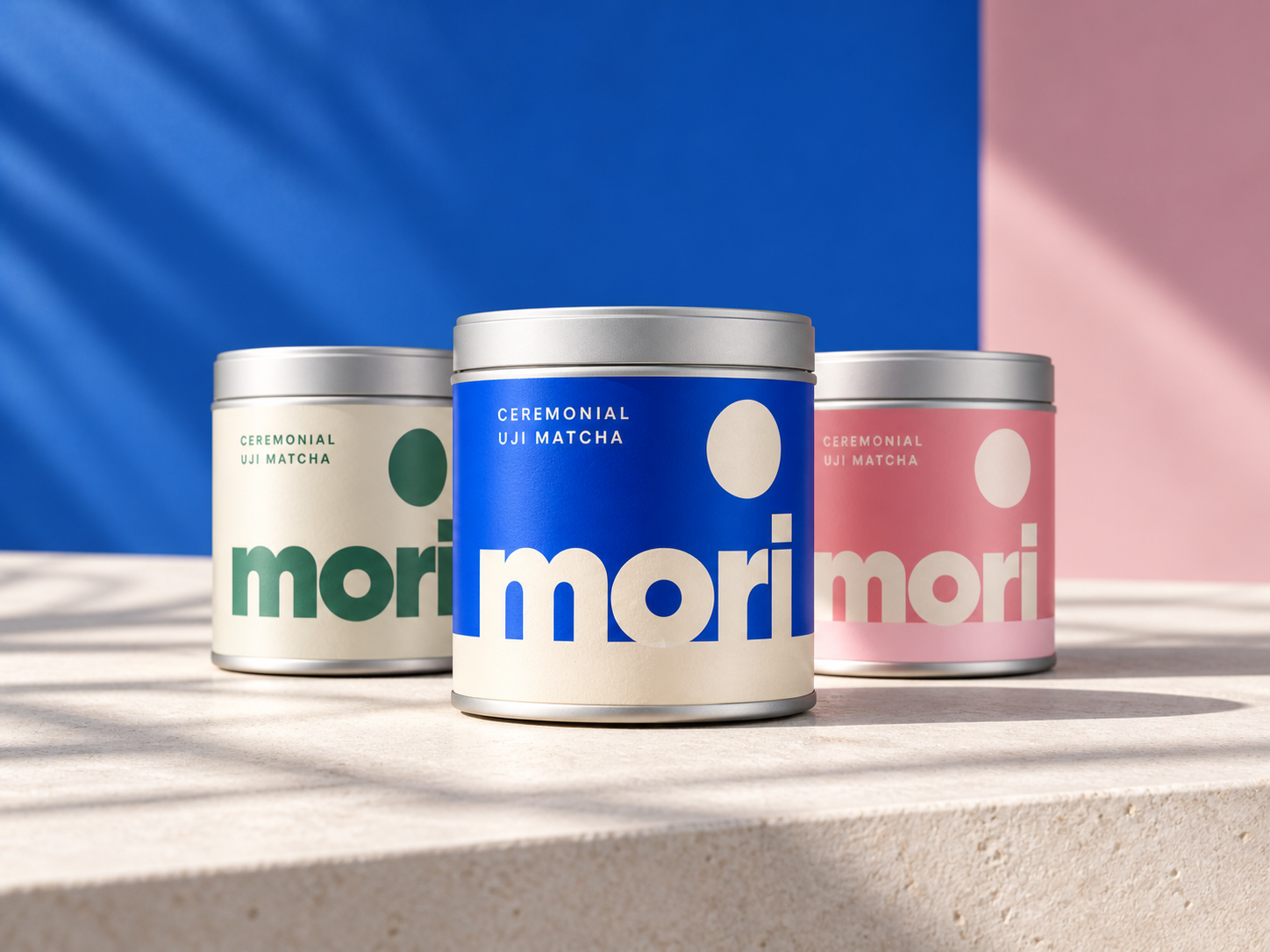
What matcha actually is
Matcha is powdered green tea. The leaves are shade-grown, then processed and milled into a very fine powder. Instead of steeping leaves and throwing them away, you whisk the powder into water and drink the whole leaf.
That is why matcha tastes fuller, brighter and more concentrated than a standard cup of green tea. It is also why quality matters so much: there is nowhere for a poor powder to hide. If you are curious about the difference, our guide to matcha vs green tea explains it.
What it tastes like
Good matcha is fresh, vegetal and gently sweet, with a rounded umami depth. It should not taste harsh, dusty or aggressively bitter. With milk it becomes creamier and softer, which is why many people start with a latte before trying it with water.
What to buy first
If you plan to drink matcha, choose ceremonial grade. Culinary grade is designed for baking and recipes and often tastes more bitter on its own. Look for a vivid green colour, Japanese origin and a single ingredient with nothing added.
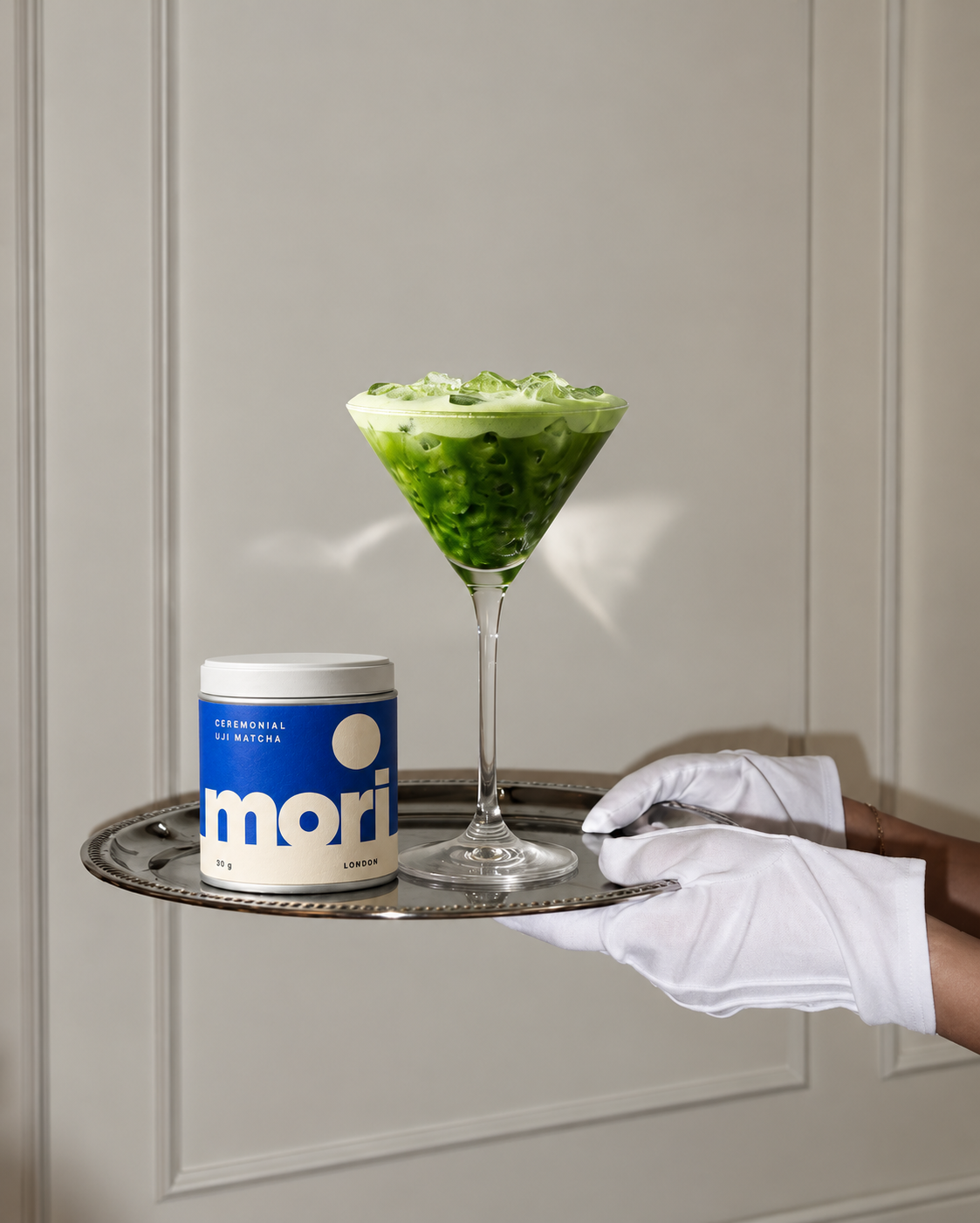
Mori Matcha is 100% ceremonial-grade Japanese matcha from a family farm in Uji. One 30g tin gives approximately 30 servings, so it is an easy way to build a daily habit. If you would rather try matcha before committing to a tin, Single-Serve Matcha offers individually sealed servings you can take anywhere.
How to make your first cup
You do not need much to begin. Sift 1–2g of matcha, about ½–1 teaspoon, into a mug or bowl. Add a small splash of warm, not boiling, water and whisk until smooth and lightly foamy. Then top with more water or your milk of choice, and serve warm or over ice.
- Sift to avoid clumps
- Use warm water, never boiling
- Whisk before adding the rest of your liquid
- Start small and adjust to taste
A bamboo matcha whisk gives the smoothest result, though a handheld frother works while you are getting started.
Common beginner mistakes
Boiling water is the most common one. It can make matcha taste harsh and bitter. Heaped spoons are the second: too much powder makes the drink intense and chalky. The third is judging matcha on a low quality powder and deciding you do not like it.
If your first cup is not quite right, change one thing at a time: the amount of powder, the water temperature, the milk or the sweetness.
Making it a habit
Matcha naturally contains caffeine and L-theanine, and many people enjoy it as a slower alternative to their usual morning coffee. Give it a few tries across a week, ideally at the same time each day. Our guide to building a morning matcha routine has more ideas. Once you find your preferred strength, it becomes a two-minute ritual you look forward to.
Choosing your first drink
There is no wrong way in, but some drinks are gentler starting points than others.
- Hot matcha latte: creamy, soft and familiar if you usually drink coffee with milk
- Iced matcha latte: bright and refreshing, ideal on warmer days
- Matcha with water: the purest way to taste the tea itself, best once you have found a good powder
Oat milk is a popular choice because its natural sweetness and body work well with matcha. Our guide to matcha with oat milk explains why.
Storing your first tin
Matcha is delicate once opened. Keep the lid firmly closed, store the tin somewhere cool, dry and out of direct light, and try to use it regularly. Fresh matcha is brighter in colour and flavour, so a tin that becomes part of your routine will taste better than one saved for occasional use.
A note on sweetness
Good ceremonial matcha does not need much sweetening. If you are used to sweet cafe drinks, add a little honey, maple syrup or vanilla to start, then gradually reduce it. Many people find they enjoy the natural flavour of the matcha more once their palate adjusts.
Good to know
Frequently asked questions
Is matcha hard to make?
No. Once you know the method, it takes a couple of minutes: sift, add a splash of warm water, whisk, then top up.
What is the easiest matcha drink for beginners?
A matcha latte is usually the easiest starting point, as milk softens the flavour.
Does matcha contain caffeine?
Yes. Matcha naturally contains caffeine, as well as L-theanine.
Do I need special equipment?
A small sieve and a bamboo whisk give the best results, but a handheld frother is a good way to start.