Why people make the switch
Coffee is brilliant until it is not. For a lot of people, the second or third cup brings a sharper edge: a rushed feeling, a restless afternoon or a dip that sends them looking for another.
Matcha offers a different kind of ritual. It is still caffeinated and still gives you a lift, but many drinkers describe it as steadier and calmer. That is why it has become a popular swap for anyone who wants to keep the energy but lose some of the edge.
Caffeine and L-theanine
Matcha naturally contains both caffeine and L-theanine, an amino acid found in tea leaves. Because you drink the whole powdered leaf, you get both together in every cup.
That pairing is one of the main reasons people associate matcha with calm focus, and it is part of what gives good matcha its rounded, umami character. We explore it in more detail in L-theanine in matcha.
It is worth being honest about the limits, though. How any caffeinated drink feels depends on your serving size, your tolerance, what you have eaten and how well you slept. Matcha is not a shortcut. It is simply a different, often gentler, way to take your caffeine.
Find the right slot in your day
The easiest way to try matcha is to swap it in where coffee currently feels least useful. For many people that is the late-morning second cup, the pre-meeting top-up or the 3pm reset when concentration starts to wander.
Keep the swap consistent for a few days so you can judge it fairly: same time, same serving, same method. And as with coffee, if caffeine affects your sleep, keep matcha earlier in the day.
Get the serving right
A typical serving is 1–2g, which is about ½–1 teaspoon. If you are new to matcha or sensitive to caffeine, start at the lower end and build up gradually rather than reaching for a heaped scoop.
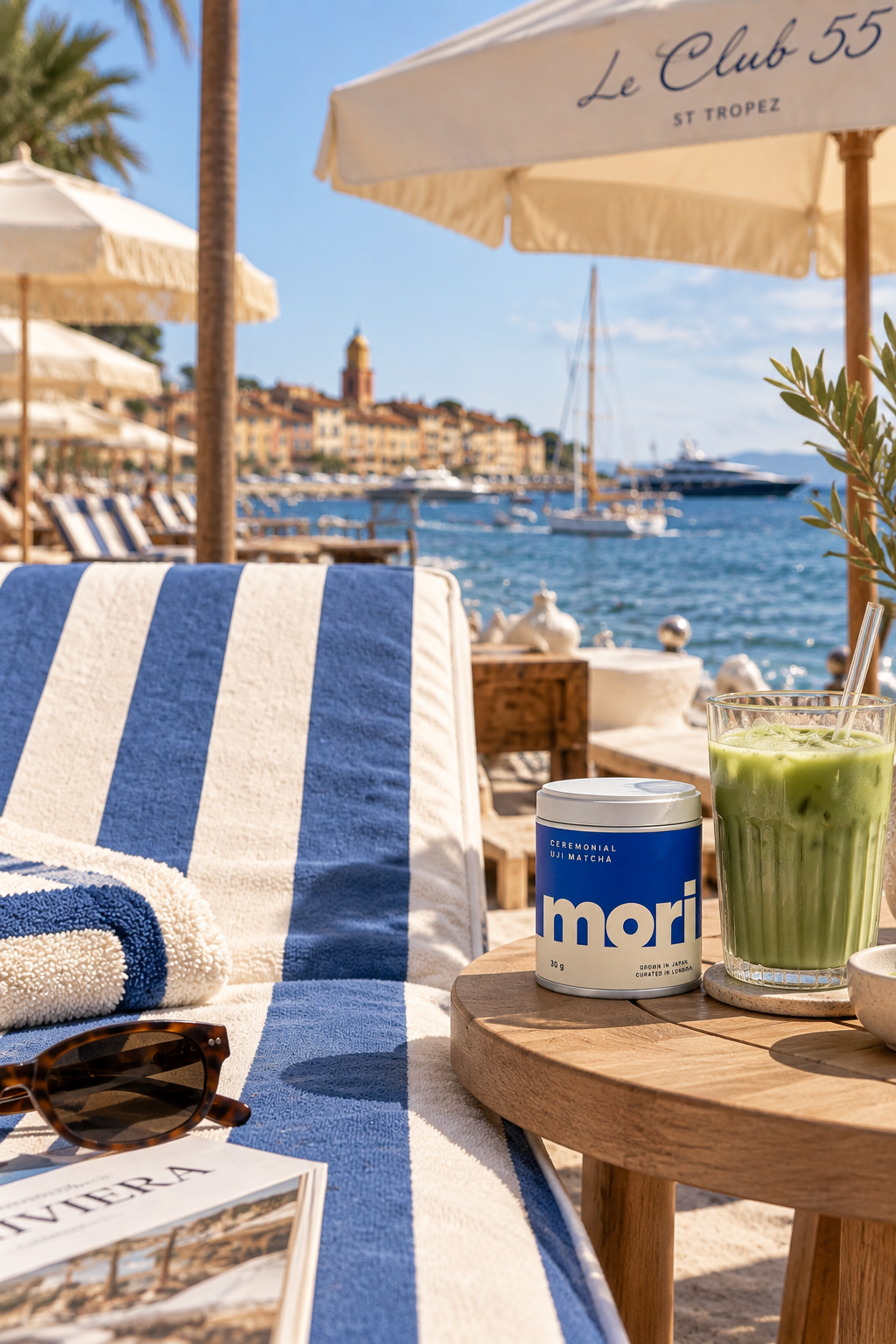
Sift the powder, add a splash of warm (not boiling) water and whisk until smooth and lightly foamy. Then top up with water for a clean, bright cup, or milk for something creamier. Our serving size guide goes further if you want to fine-tune the strength.
Make it enjoyable, or it won’t stick
Focus is only part of the story. If you do not enjoy the taste, the habit will not last. Poor-quality powder tends to taste bitter and dusty, which leads to over-sweetening and eventually giving up.
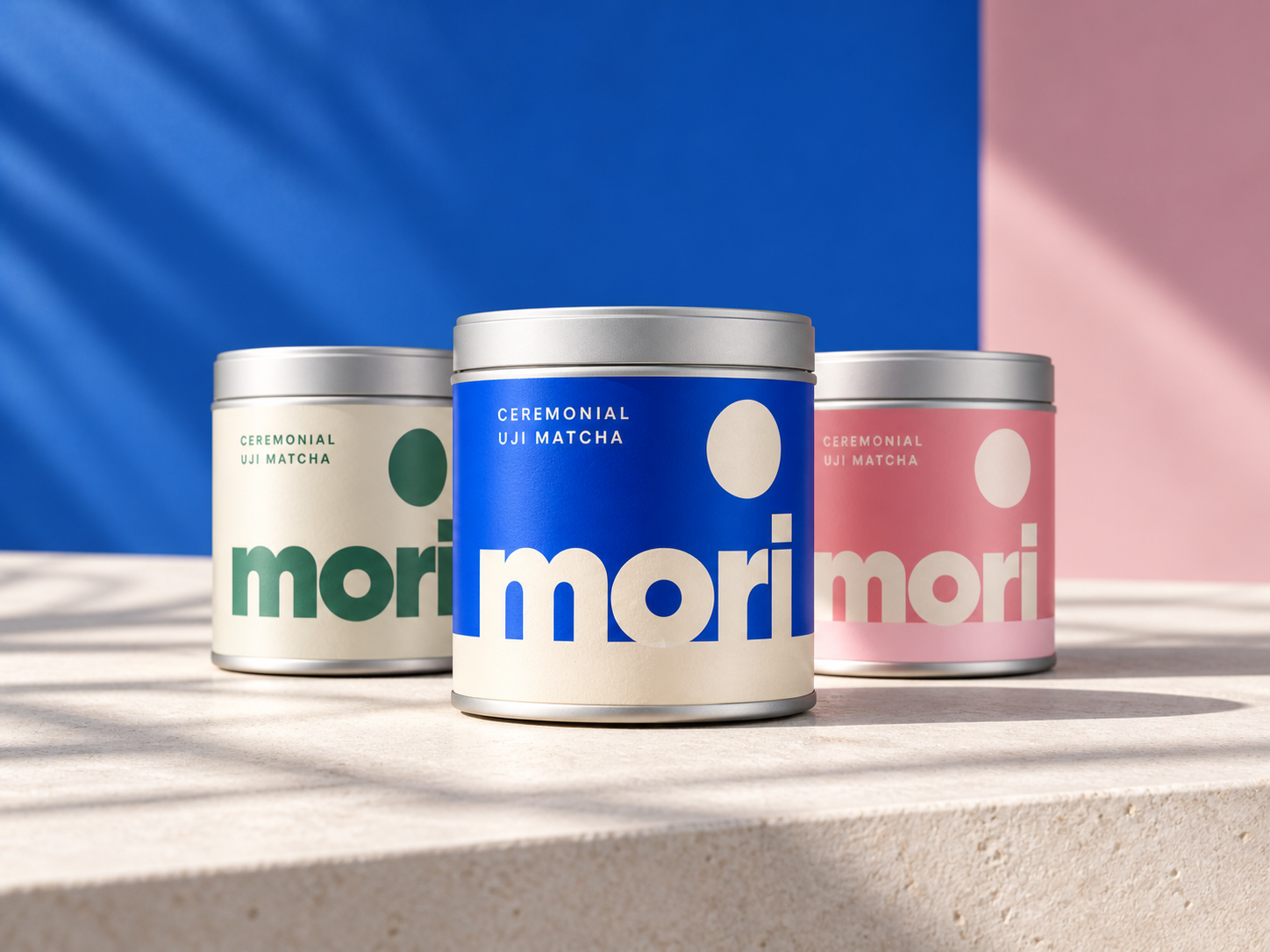
Good ceremonial matcha is smooth enough to drink with just water and bright enough to carry a latte. Mori Matcha is 100% ceremonial-grade Japanese matcha from a family farm in Uji, with nothing added.
Matcha away from your desk
The moments you most want a steady lift are often the moments you are furthest from your kitchen: a long day in the office, a train journey or a session at the gym.
That is where Mori Single-Serve Matcha comes in. Each serving is individually sealed, so you can keep a few in your bag or desk drawer, tear one open, shake it with water in a bottle and carry on with your day.
Good to know
Frequently asked questions
Will matcha stop caffeine jitters?
Not for everyone. Matcha still contains caffeine, but many people find it feels smoother than coffee, partly because it also contains L-theanine.
Is matcha a good drink for work?
It can be, especially if you want caffeine in a calmer ritual. Keep it earlier in the day if caffeine affects your sleep.
How much matcha should I use?
Start with 1–2g, about ½–1 teaspoon, and adjust gradually to your taste and caffeine tolerance.
Can I drink matcha before exercise?
Many people enjoy a simple matcha before a session. Single-serve sachets make it easy to shake one up in a bottle on the way.