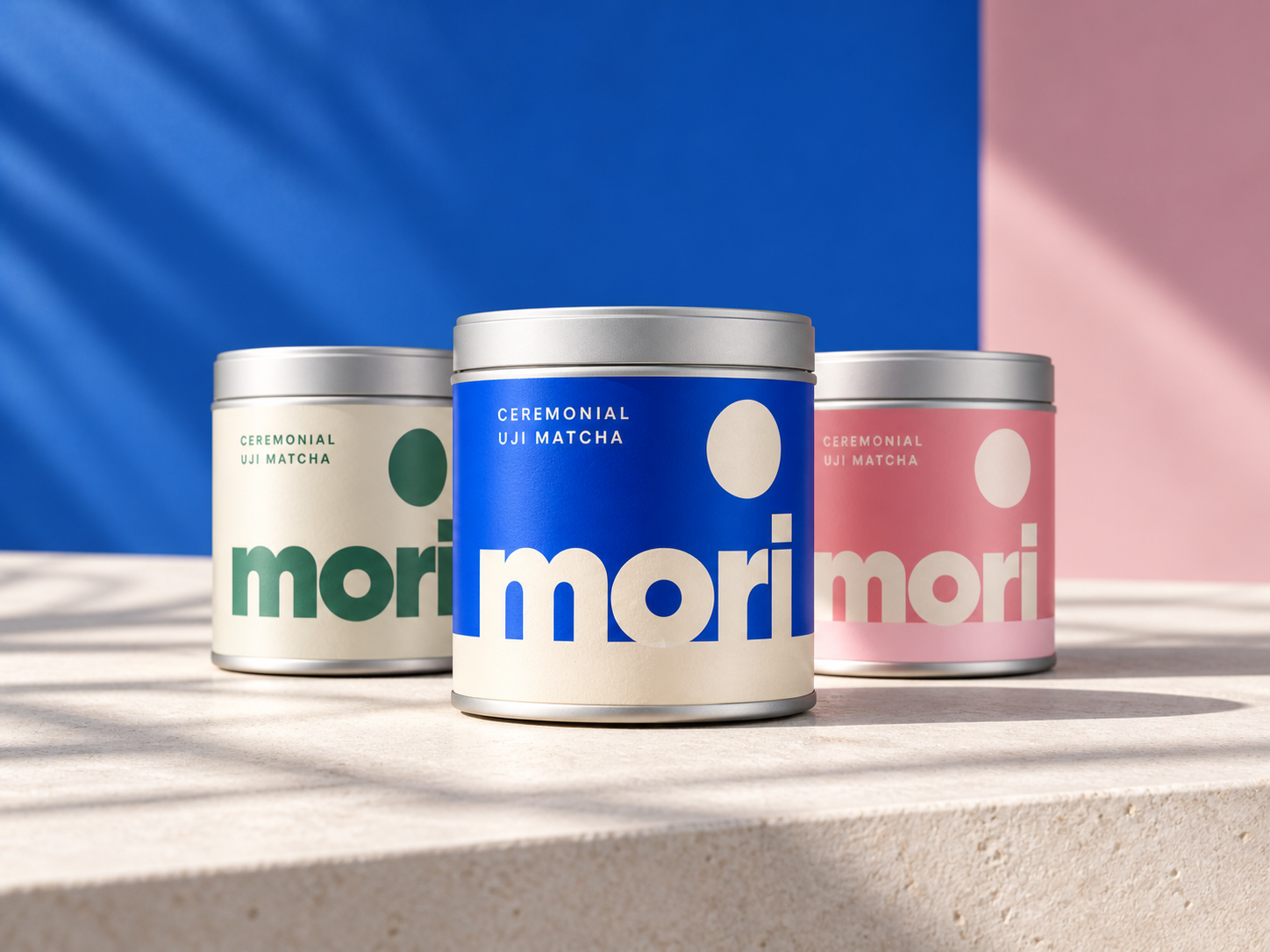
The simple answer
Matcha contains caffeine because it is made from green tea leaves. The exact amount in your cup depends on the powder, how much you use and how heaped your spoon is.
A typical home serving is 1–2g, about ½–1 teaspoon. If you want less caffeine, use less powder. If you want a stronger drink, increase the amount gradually rather than guessing.
What affects the caffeine in your cup
Because you drink the whole powdered leaf, the amount of powder you use is the biggest factor. A level half teaspoon and a heaped teaspoon can make a very different drink.
- Serving size, which matters most
- How consistently you measure
- The tea itself, including how and where it was grown
- How many cups you have across the day
Measuring the same way every time is the easiest way to know what you are drinking. Our guide to matcha serving size goes into this in more detail.
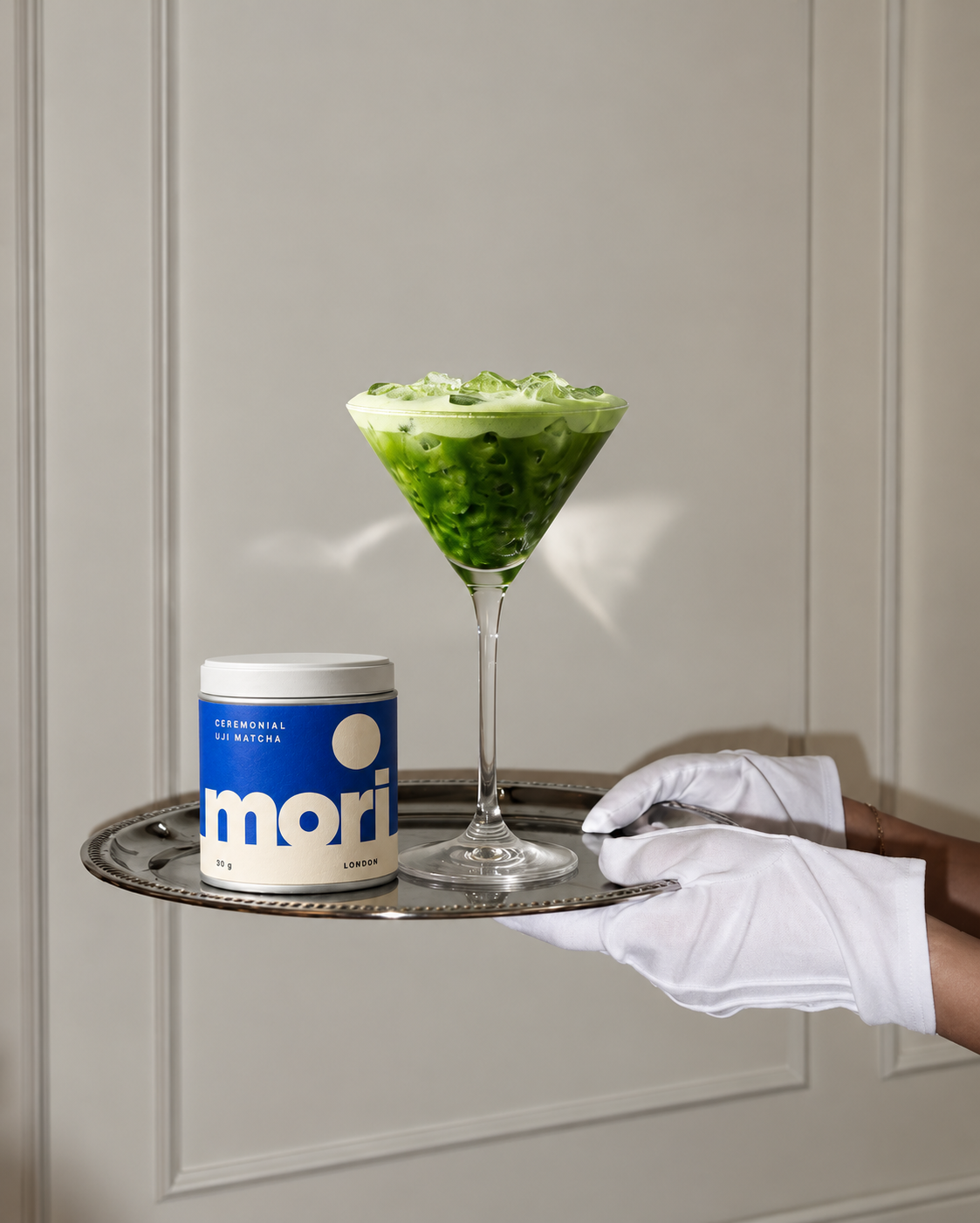
Why matcha often feels different
Matcha naturally contains L-theanine alongside caffeine. Many people find this combination feels smoother than coffee, and it is one reason matcha is often described as a steadier drink. The effect is personal, though, so pay attention to how it feels for you.
Because you consume the whole leaf, matcha is also different from steeped green tea. It is usually stronger than a standard cup of green tea, which is worth knowing if you are switching from tea bags.
Matcha vs coffee caffeine
Coffee often contains more caffeine per serving, especially large filter coffees and multi-shot espresso drinks. Matcha is usually lower, but it is still a caffeinated drink and can affect sleep or sensitivity.
If you are replacing coffee, start with one matcha a day and avoid adding extra scoops straight away. Our full comparison of matcha vs coffee covers taste and routine as well as caffeine.
When to drink it
Most people prefer matcha in the morning or early afternoon. If caffeine affects your sleep, keep it earlier in the day. For an afternoon moment without caffeine concerns, some people reach for something different altogether rather than another cup.
Anyone who is pregnant, has a medical condition or is managing their caffeine intake should follow professional guidance rather than a general rule online.
Matcha vs green tea bags
A green tea bag is steeped and then removed, so only part of what is in the leaf ends up in your cup. With matcha, the powdered leaf is whisked straight into the water and you drink all of it. That is why a cup of matcha tends to feel fuller and stronger than a mug of steeped green tea.
If you are used to several cups of green tea a day, do not assume matcha works the same way. One well-made cup can be plenty, especially while you are getting used to it. Our guide to matcha vs green tea explains the difference in preparation and flavour.
Finding your level
Treat your first week with matcha as an experiment. Keep the time of day and the serving the same, and notice how you feel an hour or two later, not just in the first ten minutes. If it feels too strong, drop to a smaller serving before giving up on matcha entirely.
Many people find a single morning cup is enough. Others enjoy a second, smaller cup around lunchtime. There is no right answer, only the routine that suits you, your sleep and your day.
Keeping servings consistent
The simplest way to control caffeine is to control the serving. At home, use a level measuring spoon and the same tin. Away from home, Single-Serve Matcha gives you individually sealed servings, so each cup is the same without any scooping.
Whichever you choose, Mori is 100% matcha with nothing added, so the only thing in your cup is the tea itself.
Good to know
Frequently asked questions
Is matcha caffeine-free?
No. Matcha is made from green tea leaves and naturally contains caffeine.
Can I make lower-caffeine matcha?
You can reduce the serving size, but matcha itself still contains caffeine.
Does matcha have more caffeine than green tea?
Usually, yes, because you drink the whole powdered leaf rather than an infusion. See matcha vs green tea.
What time should I stop drinking matcha?
It depends on your sensitivity. If caffeine affects your sleep, keep matcha to the morning or early afternoon.